
"Costa Rican coffee regions"
200 article(s) found

Flavor characteristics of Costa Rican coffee varieties in Costa Rican coffee producing areas
Professional Coffee knowledge Exchange more information on coffee beans Please follow Coffee Workshop (Wechat official account cafe_style) A highly regarded Costa Rican coffee, the typical coffee plant variety Caturra (Coffee Arabian variety Caturra), sometimes Catuai, has a huge body, usually full, rich, strong taste and crisp acidity. Especially

Costa Rican Tara Pearl SHB Diamond Villa washing Water washing Kadura Costa Rican flavor
Costa Rican SHB is a traditional classical coffee with a good sense of evenness and a mellow aftertaste. Most Costa Rican coffee has a bright color, high acidity, proper fullness, and charming aroma. Most of the coffee trees are recently planted for Kaddura or Katuai. The raw bean processing method adopts water washing type, which is the same as that in other areas.

Introduction to the flavor description and grinding scale of Costa Rican coffee beans the method of regional treatment of varieties
Costa Rican coffee bean flavor description grinding scale variety treatment method the taste of the producing area is 9-1600 meters above sea level, 80% of which is located at 1000-1400 meters. This kind of coffee is famous for its excellent quality and rich and balanced taste. Even the coffee from Laminita Farm in the region is thought to have a flavor similar to Blue Mountain coffee. Costa Rican coffee is mostly washed with water.

Costa Rican coffee beans introduce culture
There are many coffee growing areas in Costa Rica. The unique microclimate and soil composition of each region lead to subtle changes in coffee from region to region. Most Costa Rican coffee is not grown on a large scale, but is cultivated by many small-scale coffee farmers and then takes their harvest to coffee factories for processing. Some Costa Rican coffees are processed with pectin scrapers.

Costa Rican coffee beans taste taste estate region introduction Costa Rican coffee flavor
Coffee is an important source of income for Costa Rica, introduced in 1808 and cultivated for 200 years. Costa Rica has a third of the population invested in new villa sarchi, new villa sarchi, coffee-related industries, Costa Ricans say coffee has changed the country, can enjoy a rich environment, coffee does contribute significantly; although Costa Rica's country

Introduction to the regional treatment method for the grinding calibration of Costa Rican coffee beans with strong acidity
The characteristics of Costa Rican coffee: Tarrazu in Costarica is one of the major coffee producing areas in the world. The coffee produced has a light and pure flavor and pleasant aroma. Flavor: excellent, smooth, acidic, high grade, with attractive aroma suggested baking method: medium, can also be deep baking ★★★: excellent Costa Rica

Costa Rican bean producing area introduces how to brew Costa Rican single bean.
For professional baristas, please follow the coffee workshop (Wechat official account cafe_style) WEST VALLEY West Valley, the first farmer to settle in the 19th century and bring coffee. The region is divided into six subregions around the urban centres of San Ramon, Palmares, Naranjo, Greece, Sarchi and Artenas. There is a specific coffee variety in Sarchi called Villa Sa.

Costa Rican coffee features Costa Rican coffee
For the exchange of professional baristas, please follow the coffee workshop (Wechat official account cafe_style) Costa Rica TARRAZ Costa Rica Tarraz from the international coffee export company Hacienda La Minita. Hacienda La Minita Manor is located in the famous Tarraz producing area of Costa Rica. Because of its excellent geographical environment and microclimate, La Minita Manor

Costa Rican coffee has a bright color, high acidity, proper fullness, and full
Costa Rican SHB is a traditional classical coffee with a good sense of evenness and a mellow aftertaste. Most Costa Rican coffee has a bright color, high acidity, proper fullness, and charming aroma. Most of the coffee trees are recently planted for Kaddura or Katuai. The raw bean processing method adopts water washing type, which is the same as that in other areas.

How to deal with Costa Rican beans? how to divide the grades of Costa Rican beans?
For the exchange of professional baristas, please follow the coffee workshop (Wechat official account cafe_style) TARRAZU Tarrazu producing area has a long-standing reputation guarantee, for many years the coffee from here can almost be regarded as a high quality grade. But the coffee comes from different farms and is then mixed into large batches. However, over the years, Tarrazu's brand has accumulated sufficient strength from the district

Aromas are unique and intense Costa Rican Yelsalo Coffee Flavor Description Grind Variety Region
Costa Rican coffee is full of particles, with ideal acidity and unique aroma. Costa Rica's coffee industry, formerly controlled by the Instituto del Café de Costa Rica (ICAFE), has been taken over by the Official Coffee Council (Oficina del Caf). Among coffee exports, those deemed substandard are colored blue.

South American Coffee | introduction to the main producing areas of Costa Rican coffee
Costa Rica is a relatively narrow country with oceans on both sides and a long coastline, but it still achieves the ideal height of coffee cultivation. Costa Rican TARRAZU Coffee the Tarasu County area produces some of the best Costa Rican coffee on a consistent basis around. The capital San Marcos is about 1350 meters above sea level, but the surrounding mountains are as high as 1700 meters.

Flavor description of Costa Rican Tarazhu Coffee introduction to the varieties of manor production area
The flavor of Costa Rican Tarazu coffee describes the taste of the manor region. Costa Rican coffee is definitely a boutique that grew up in a superior environment. There are no fluctuations in the economic environment brought about by the war, with the strong support of the government, and there is a climate and altitude suitable for the growth of boutique coffee. Costa Rican SHB grows at an altitude of about 1500 meters above sea level.

Flavor description of Costa Rican Coffee Bean introduction to the taste of the regional treatment of manor varieties
Costa Rican coffee bean flavor description manor variety regional treatment taste introduction the volcanic soil in Dariga is very fertile and well drained, making it the first country in Central America to grow coffee and bananas because of its commercial value. Coffee and bananas are the country's main exports. Coffee was introduced into Costa Rica from Cuba in 1729. Today, its coffee industry is the world.

Flavor characteristics of Costa Rican Yellow Honey Coffee A brief introduction to the region produced by price treatment
The flavor characteristics of Costa Rican yellow honey coffee A brief introduction to the production area of price treatment honey treatment keeps the coffee washed clean, although the brightness of the coffee decreases, it increases the sweetness and caramel taste. According to the different degree of honey treatment, honey-treated coffee is divided into yellow honey treatment, red honey treatment and black honey treatment in the treatment of raw coffee beans.

Costa Rican Yellow Honey Coffee Flavor description, taste treatment, regional grinding scale
Costa Rican Yellow Honey Coffee Flavor description although the development of fine coffee started late, Costa Rican boutique coffee is developing rapidly, with its mild acidity, soft taste and sweet high-quality berry flavor. And the so-called honey treatment method means that the coffee beans are washed to remove the skin and flesh of the fruit.

Costa Rican conqueror brewing parameters recommendation-Raminita Manor Conqueror Coffee name Source
Professional coffee knowledge exchange more coffee bean information please follow the coffee workshop (Wechat official account cafe_style) Costa Rican coffee conqueror rich cream with dark chocolate cocoa texture, but also rich in oil, cream touch, taste quite thick origin information: * region: Costa Rican coffee capital Tarasu growing area, multi-tower region San Mar

How about Costa Rican Goddess Manor Coffee? how many kinds of coffee beans?
Exchange of professional baristas please follow the coffee workshop (Wechat official account cafe_style) Costa Rican Goddess Manor single coffee how many flavors Costa Rica Costa Rican population: 4586000 in the past, Costa Rica has successfully sold its coffee according to the name of the region where it is produced. However, tastes vary greatly from region to region
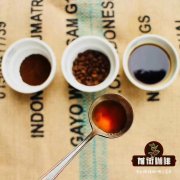
The style characteristics of Costa Rican Coffee
For more information on coffee beans, please follow the Coffee Workshop (Wechat official account cafe_style). In the past, Costa Rica has successfully sold its coffee according to the name of its producing area. However, tastes vary from region to region, so it is well worth exploring each region to see what kind of coffee beans they can produce. CENTRAL VALLEY

Costa Rica Tala Beads Musicians Series Coffee Bean Taste Characteristics and Region Information Candle House
Costa Rican Coffee Costa Rican coffee has always been very stable flavor, drink soft balance. Sour, sweet and bitter, it is a classic coffee flavor. Costa Rica's coffee industry started very early, in 1729, coffee began to appear in Costa Rica, when it was introduced from Cuba. In 1820, the first shipments of coffee were made to Colombia and Chile. In 1832, local government